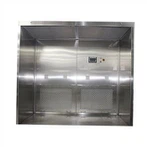
In the field of chemical research, laboratory workbenches are often exposed to a variety of corrosive chemicals, such as acids, alkalis and organic solvents. Therefore, choosing the right corrosion-resistant materials is crucial to ensure the long-term use of laboratory workbenches and the safety of researchers. In this article, we will discuss the selection and application of corrosion-resistant materials in chemical research laboratory bench design.
**Importance of corrosion resistant materials**
Corrosion-resistant materials are able to resist chemical reactions and erosion, thus extending the life of the workbench. In chemical laboratories, workbenches may come into contact with strong acids, alkalis and other corrosive substances, and if the material does not have sufficient corrosion resistance, it can easily lead to damage, affecting the accuracy and safety of the experiment.
**Choosing the right corrosion-resistant material***
The market offers a wide range of corrosion-resistant materials, such as stainless steel, acid- and alkali-resistant coating materials, polypropylene, and other high-performance synthetic resins. Stainless steel is a popular choice due to its durability and ease of cleaning, especially the 304 and 316 models, which are resistant to most chemicals. In addition, some special coatings can provide an extra layer of protection against direct chemical contact with the bench surface.
**Design Features of Workbenches**
When designing a chemical research laboratory bench, in addition to choosing the right material, the overall structure of the bench should be taken into consideration. For example, it should be ensured that the workbench has sufficient ventilation holes to allow for the rapid discharge of harmful gases in the event of a spillage. Edges and corners should be rounded to minimize the possibility of chemical buildup. In addition, the workbench should be equipped with an overflow chute and drainage system to allow for quick disposal in the event of a spill.
**Installation and Maintenance**
Even workbenches made of corrosion-resistant materials require proper installation and maintenance to maintain their performance. The workbench should be installed in accordance with the manufacturer's instructions and ensure that all connections are also corrosion resistant. Regular inspection and maintenance of the workbench and prompt cleanup of chemical spills will prevent long-term corrosion and damage.
**Safety measures**
The use of corrosion-resistant workbenches should be accompanied by other safety measures such as the use of personal protective equipment (PPE), emergency showers and eye-washing stations, and proper procedures for storing and disposing of chemicals. These measures work together to ensure the safety of laboratory personnel when handling corrosive substances.
To summarize, the design of chemical research laboratory workstations needs to take into account the selection and application of corrosion-resistant materials. By choosing the right materials, proper design, and proper maintenance, you can ensure that your workbench maintains its performance in harsh chemical environments while providing a safe and productive work environment for laboratory personnel. #corrosion resistant materials #chemical research #laboratory benching