When choosing a lab bench, several factors need to be considered to ensure that it meets the specific needs and criteria of your lab. Here are some key steps and considerations:
I. Define the laboratory needs
Type of experiment: first determine the type of laboratory, such as physical laboratory, chemical laboratory, biological laboratory, etc., because different types of experiments have different requirements for laboratory bench.
The nature of the experiment: to understand the experimental process involves chemicals, temperature, humidity and other conditions, in order to choose the appropriate material and structure.
Space layout: consider the size and layout of the laboratory space, to ensure that the selected laboratory table can be reasonably placed and effective use of space.
Second, choose the material and structure
Tabletop material:
Epoxy resin: high temperature, acid and alkali resistance, but not scratch-resistant, suitable for temperatures not exceeding 600 ℃ and the need for acid and alkali environment.
Ceramic: high temperature resistance, scratch resistance, acid and alkali resistance (except hydrofluoric acid), durable, suitable for harsh experimental environment.
Stainless steel: easy to take care of, meet the requirements of clean area, suitable for laboratories with high hygiene requirements.
Physical and chemical board: scratch-resistant, corrosion-resistant (except hydrofluoric acid, concentrated sulfuric acid, nitric acid), the surface is dense and non-porous, easy to take care of, suitable for the temperature does not exceed 140 ℃ environment.
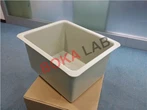
PP material: strong acid and alkali resistance, strong and durable, not easy to aging, suitable for laboratories with cleanliness requirements.
Overall structure:
All-steel structure: sturdy, beautiful, can be used for more than 10 years to maintain no deformation, can be resistant to strong acid, strong alkali, is the development direction of laboratory furniture.
Steel and wood structure: composed of steel brackets, wooden cabinets and other components, the appearance of anti-corrosion coating, but need to pay attention to the problem of rust, generally used in instrumental analysis room.
All-wood structure: lighter quality, flexible, can be made into a variety of units combined, but wood consumption is larger.
Third, consider additional features and accessories
Sockets and sinks: according to the demand for electricity for experimental equipment and the operational needs of experimental personnel, choose to equip the appropriate number and specifications of the sockets and sinks.
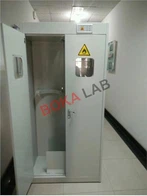
Reagent racks and storage cabinets: provide enough storage space to facilitate the storage of experimental reagents and equipment.
Other accessories: such as hinges, slides, adjustable feet, etc., should choose reliable quality, easy to maintain the accessories.
Fourth, focus on brand and after-sales
Brand selection: choose a well-known and well-reputed laboratory bench brands, these brands usually have a more stringent quality control system and more perfect after-sales service.
After-sales service: understand the manufacturer's after-sales service policy, including installation, repair, maintenance and other aspects of service content and commitment.
Translated with DeepL.com (free version)