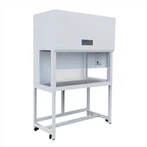
When conducting scientific research in the laboratory, handling flammable, toxic, or biohazardous materials is unavoidable. In order to ensure personnel safety and environmental protection, laboratory safety cabinets have become an essential part of laboratory facilities. They provide a critical layer of protection for the storage and use of hazardous materials.
1. Types and uses of safety cabinets
Common laboratory safety cabinets include flammable liquid safety cabinets, chemical safety cabinets and biological safety cabinets. Flammable liquid safety cabinets are used to store flammable solvents and are fire-proof and explosion-proof; chemical safety cabinets are suitable for storing various chemical reagents to prevent leakage and corrosion; biological safety cabinets are specially designed for handling microbial samples and can prevent air borne cross-contamination and operator protection.
2. Design features of safety cabinets
Laboratory safety cabinets are usually made of corrosion-resistant, fire-resistant materials and equipped with reinforced locks and fire-resistant doors. The internal space is reasonably divided to facilitate the classified storage of different categories of items. In addition, depending on the type of safety cabinet, it may also be equipped with safety features such as ventilation systems, ultraviolet disinfection lamps, and spill collection trays.
3. The importance of using safety cabinets
Proper use of safety cabinets can effectively prevent and reduce the risk of accidents. They limit exposure to hazardous substances, protect laboratory personnel from harmful substances, and prevent environmental contamination. At the same time, compliant use also helps meet regulatory requirements and pass security reviews.
4. Maintenance and management
To ensure the effectiveness of the safety cabinet, regular maintenance and inspections are essential. This includes checking whether the sealing system is intact, whether the ventilation system is smooth, whether the cabinet is damaged, etc. In addition, establishing strict access systems and usage records are also important measures to ensure security.