In scientific research work, the stability, cleanliness and safety of the laboratory environment are crucial. In order to ensure these key elements, the laboratory transfer window plays an irreplaceable role as a special transfer device designed for the laboratory environment.
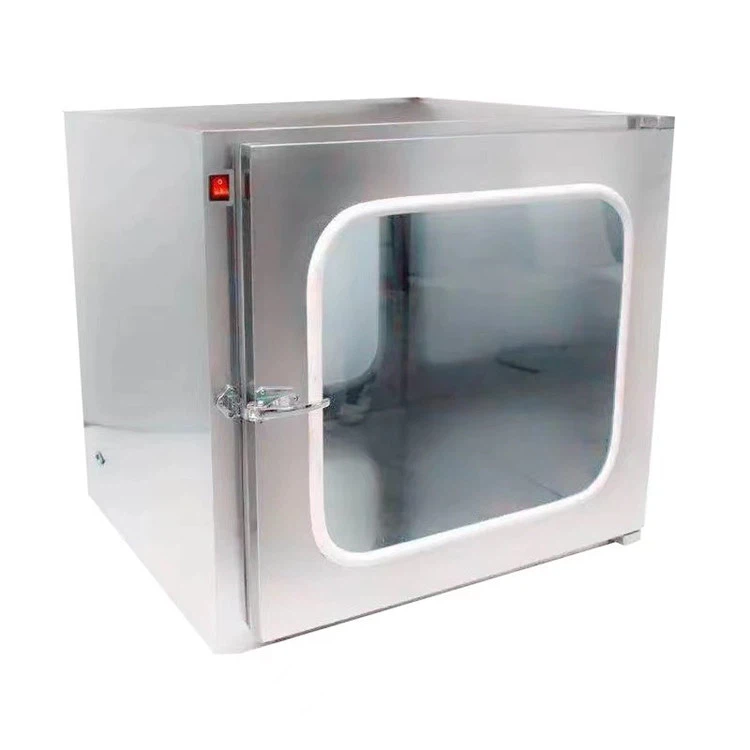
The laboratory transfer window is an auxiliary equipment for clean rooms. Its main function is to safely and effectively transfer items between different laboratory areas. This kind of equipment fully considers the safety requirements of the laboratory, such as preventing cross-contamination, maintaining cleanliness, and maintaining the stability of the experimental environment. Through its unique design and structure, it realizes the isolated transfer of items between clean areas and non-clean areas, reduces the number of door openings in the clean room, thereby greatly reducing the risk of contamination in the clean area.
The basic structure of the laboratory transfer window includes a sealed box, as well as the control system and transfer mechanism connected to it. The cabinet is usually made of stainless steel or other corrosion-resistant materials, ensuring the durability and stability of the equipment in a laboratory environment. The control system is responsible for controlling the switch of the transfer window, monitoring its operating status, and providing the necessary operating interface. The delivery mechanism is responsible for the delivery of items, and usually includes one or more delivery ports and a sealed door connected to them