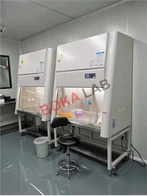
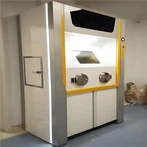
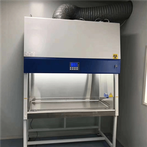
Laboratory workbenches are important places for scientific research, and the hygienic condition of their surfaces directly affects the accuracy of experiments and the health of researchers. Therefore, antimicrobial and easy-to-clean surface treatments have become an important consideration in the design of laboratory workbenches. In this paper, we will discuss the importance of antimicrobial and easy-clean surface treatments, how they are achieved, and their impact on the laboratory environment.
The importance of antimicrobial properties
Laboratory benches are frequently exposed to a wide range of chemicals, biological samples and microorganisms, which requires antimicrobial properties on bench surfaces to prevent cross-contamination and bacterial growth. An effective antimicrobial surface reduces the risk of experimental failure, protects laboratory personnel from infection, and extends the life of the bench.
Realization of easy-to-clean surfaces
An easy-to-clean surface is essential to keep the bench hygienic and tidy. The use of smooth, non-porous materials such as stainless steel, synthetic resins or specially coated wood reduces the accumulation of dirt and bacteria. In addition, some surface treatment techniques, such as UV-cured coatings, can provide an additional layer of protection, making the cleaning process easier and more effective.
Application of antimicrobial coatings
Antimicrobial coatings are a popular surface treatment that kills or inhibits the growth of bacteria and viruses. These coatings usually contain silver ions or other antimicrobial agents that remain active for long periods of time and maintain their antimicrobial effect even with frequent cleaning.
Material Selection
Choosing the right material is critical to achieving an antimicrobial and easy-to-clean surface. For example, quartz or epoxy countertops are not only durable and easy to clean, but they do not absorb water, reducing the chance of bacterial growth. Additionally, these materials are often non-porous, making liquids and stains less likely to penetrate, thus simplifying the cleaning process.
Maintenance and Cleaning
Even with an antimicrobial and easy-to-clean finish, regular and proper maintenance is key to keeping your workbench hygienic. The use of appropriate cleaning agents and methods can remove stubborn stains without compromising the antimicrobial properties of the surface. For example, using a solution containing 70% alcohol can effectively sanitize workbench surfaces without causing corrosion to the material.
To summarize, antimicrobial and easy-to-clean surface finishes for laboratory workbenches are critical to maintaining hygiene and safety in the laboratory. By choosing the right materials, applying antimicrobial coatings, and implementing effective cleaning and maintenance procedures, you can ensure that your bench surfaces are always in optimal condition, providing a clean and safe working environment for your researchers. #Antimicrobial surfaces #Easy-to-clean treatments #Laboratory workbenches