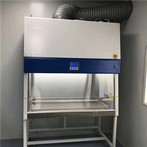
Safety is always one of the most important considerations in a laboratory environment. Since flammable chemicals and high-temperature equipment are often used in laboratories, choosing workbenches made of fire-resistant materials is critical to preventing fires and reducing the risk of fire. In this article, we will look at how to choose workbenches made of fire-resistant materials and how they can improve the overall safety of your lab.
The Importance of Fire Resistant Materials
Fire-resistant materials resist the spread of flames and provide valuable escape time for those in the laboratory. When choosing a workbench, you should ensure that the fire rating of the material you select meets national or regional safety standards. For example, some materials may be certified as non-combustible, meaning they will not continue to burn after the source of ignition is removed.
Choosing the right fire-resistant material
There are a variety of fire-resistant materials available on the market, including stainless steel, fire-resistant synthetic resins, quartz, and certain specially treated woods. Not only are these materials able to withstand high temperatures, but they are usually easy to clean and maintain. Chemical and abrasion resistance should also be taken into account when choosing bench materials to ensure long-term stability and safety.
Design Features
In addition to the fire resistance properties of the material itself, the design of the workbench should also take safety into account. For example, the workbench should have sufficient ventilation space to prevent heat buildup. The edges should be rounded to minimize injuries from accidental collisions. In addition, workbenches should be designed to avoid sharp corners and structures that tend to accumulate heat.
Installation and Maintenance
Even workbenches made of fire-resistant materials require proper installation and maintenance to maintain their fire resistance. Workbenches should be installed according to the manufacturer's instructions and ensure that all connections and fittings are fireproof. Regular inspection and maintenance of the workbench to ensure there is no damage or wear and tear is essential to maintain its integrity and functionality.
Emergency response
Even with all precautions taken, laboratories still need to be prepared for an emergency response to a fire. This includes installing appropriate fire alarms, fire extinguishers, and other firefighting equipment. Also, laboratory personnel should be trained on how to evacuate safely in the event of a fire.
To summarize, choosing workstations with fire-resistant materials is a critical step in improving laboratory safety. By choosing the right materials, ensuring proper design, and implementing proper installation and maintenance procedures, the risk of fire can be greatly reduced, protecting laboratory personnel and equipment. In addition, a combination of effective emergency response measures can ensure a quick and effective response in the event of a fire. #Fireproof materials #Laboratory safety #Bench selection