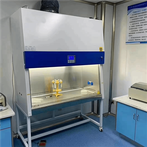
While pursuing scientific research innovation and breakthroughs, as the forefront of scientific exploration, the environmental protection of laboratory furniture is also increasingly valued. The application of environmentally friendly materials not only reflects the care for the health and safety of scientific researchers, but also a positive response to the concept of sustainable development. This article will explore the important role of environmentally friendly materials in laboratory furniture and its application status.
1. Definition and importance of environmentally friendly materials
Environmentally friendly materials refer to materials that have no or minimal pollution to the environment during their production, use and waste disposal, and can save resources and energy. In the laboratory environment, due to frequent contact with various chemical substances, the environmental protection of furniture materials is directly related to the health of scientific researchers and the accuracy of experimental results. Therefore, choosing environmentally friendly materials to make laboratory furniture is an important measure to ensure the smooth progress of scientific research activities and promote green scientific research.
2. Application of environmentally friendly materials in laboratory furniture
Low VOC release materials: Volatile organic compounds (VOC) are one of the main sources of indoor air pollution. Laboratory furniture often uses low VOC release coatings, adhesives and other materials to reduce the release of harmful gases and ensure indoor air quality.
Recyclable and renewable materials: such as the recycling of scrap metal and wood, and the development and application of bio-based materials. These materials not only reduce dependence on natural resources, but also reduce the environmental pressure of waste disposal.
Chemical corrosion-resistant materials: Laboratory furniture must have good chemical corrosion resistance to prevent chemical substances from corroding and damaging furniture. Environmentally friendly polymer materials, stainless steel, etc., not only meet the special needs of the laboratory, but also meet environmental protection requirements.
Natural environmentally friendly materials: such as natural stone, solid wood, etc., these materials have natural textures and textures, which are not only beautiful and generous, but also environmentally friendly and pollution-free. However, when using them, attention should be paid to their waterproof and moisture-proof properties to ensure long-term stability.
3. Challenges and prospects of the application of environmentally friendly materials
Although the application of environmentally friendly materials in laboratory furniture has made certain progress, it still faces challenges such as high cost and high technical difficulty. In the future, with the advancement of science and technology and the enhancement of environmental awareness, the application of environmentally friendly materials will be more extensive and in-depth. At the same time, the government and enterprises will also increase investment to promote the research and development and application of environmentally friendly materials and provide strong support for green scientific research.
In summary, the application of environmentally friendly materials in laboratory furniture is an important manifestation of green scientific research. By choosing environmentally friendly materials to make laboratory furniture, we can create a healthy, safe and comfortable working environment for scientific researchers and promote the sustainable development of scientific research.