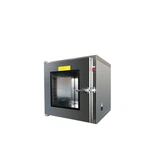
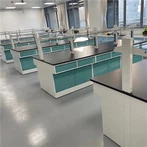
In the laboratory, the palace of scientific research and experimental teaching, each piece of furniture carries its unique mission and importance, and the fume hood, as a core member of laboratory furniture, plays an indispensable role. It is not only the first line of defense to ensure the health and safety of experimental personnel, but also a key equipment to maintain the cleanliness of the laboratory environment and prevent the spread of harmful substances.
Basic structure and function of fume hood
Fume hood, as the name suggests, is a device that achieves local air purification through a specific design. It usually consists of a cabinet, an operating table, an exhaust system, a lighting system, and a control system. The cabinet is made of corrosion-resistant and easy-to-clean materials to resist the erosion of various chemical substances that may be produced in the experiment; the operating table can be made of different materials according to the experimental requirements, such as stainless steel, ceramic or epoxy resin, to ensure the stability and safety of the experimental operation.
The core function of the fume hood lies in its efficient exhaust system. When the experimenter operates in the fume hood, the harmful gases, particles or steam generated will be immediately inhaled into the hood, and after being processed by the high-efficiency filter, they will be finally discharged to the outside, thus effectively preventing these harmful substances from spreading in the laboratory, protecting the respiratory system of the experimenter from harm, and maintaining the overall environmental quality of the laboratory.
Importance of fume hoods
Ensure personnel safety: In experiments involving toxic, harmful, flammable and explosive substances, fume hoods can significantly reduce the risk of experimenters being exposed to harmful environments, and are an important barrier to ensure the life safety of experimenters.
Maintain the experimental environment: The effective operation of the fume hood can prevent the pollutants generated during the experiment from polluting other areas of the laboratory, keep the laboratory clean and tidy, and provide a good environment for the smooth progress of scientific research.
Improve experimental efficiency: Good ventilation conditions help reduce interference factors such as odor and smoke during the experiment, so that experimenters can focus more on experimental operations, thereby improving experimental efficiency and accuracy.
Selection and installation of fume hoods
Choosing a suitable fume hood requires consideration of many factors, including the type of experiment, required air volume, noise control, energy efficiency, and maintenance costs. In addition, the installation location of the fume hood is also crucial. It should ensure that it is effectively connected to the laboratory's ventilation system and does not affect the normal operation of other equipment in the laboratory.
With the advancement of technology, modern fume hoods have also incorporated more intelligent elements, such as automatic wind speed adjustment, gas leak detection, remote monitoring and other functions, which further improves its convenience and safety.
In short, as a key role in laboratory furniture, the importance of fume hoods is self-evident. In scientific research and teaching activities, we should fully realize the value of fume hoods, and reasonably select, scientifically install, and use them in a standardized manner to ensure the safety, efficiency and sustainable development of laboratory work.