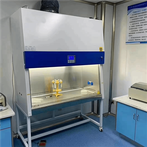
In the realm of education, science laboratories play a pivotal role in nurturing young minds and fostering a lifelong love for exploration and discovery. For elementary schools, designing and equipping science labs with age-appropriate furniture is not just about setting up workspaces; it's about creating an environment that inspires creativity, encourages hands-on learning, and fosters a sense of wonder about the natural world.
The Importance of Science Lab Furniture in Elementary Education
At the foundational level of education, students are like sponges, eagerly absorbing new information and eager to experiment. Science labs, equipped with specifically designed furniture, provide a safe and stimulating platform for children to ask questions, test hypotheses, and make observations. These spaces are essential for cultivating critical thinking skills, enhancing problem-solving abilities, and instilling a fundamental understanding of scientific principles.
Key Features of Science Lab Furniture for Elementary Schools
Height Adjustability: Since elementary school students vary greatly in height, adjustable furniture is a must. Tables and chairs that can be raised or lowered accommodate different students, ensuring ergonomic comfort and reducing the risk of strain or injury.
Durability and Safety: Safety is paramount in any learning environment, especially when dealing with science experiments. Furniture designed for science labs should be made from materials that are easy to clean, resistant to spills and stains, and comply with safety standards. Rounded edges and smooth surfaces help prevent accidents.
Flexibility and Modularity: Elementary science lessons often cover a wide range of topics, requiring diverse setups. Modular furniture that can be easily rearranged and configured to suit different activities encourages creativity and promotes active learning. This might include moveable carts for storage, benches with integrated power outlets, and multi-purpose tables that can transform into demonstration stations.
Storage Solutions: Adequate storage is essential for keeping workspaces organized and ensuring quick access to materials. Cabinets, shelves, and drawers designed with clear labels and easy-to-reach compartments encourage students to develop good organizational habits.
Interactive Elements: Incorporating interactive elements, such as built-in microscopes, magnifying glasses, or LED lighting, into lab furniture can significantly enhance the learning experience. These tools turn ordinary workstations into mini-discovery centers, igniting children's curiosity and engagement.
The Impact on Learning
Well-designed science lab furniture for elementary schools goes beyond the physical aspects of the space; it transforms the learning experience. When students feel comfortable, supported, and excited about their surroundings, they are more likely to take risks, ask questions, and explore beyond the curriculum. This environment fosters a growth mindset, where failures are seen as opportunities for learning and progress.
Conclusion
Outfitting elementary schools with science lab furniture that is both functional and engaging is a vital step towards nurturing the next generation of scientists, engineers, and curious minds. By prioritizing safety, flexibility, and student-centered design, schools can create spaces that inspire a lifelong love for science and equip students with the skills they need to succeed in an ever-evolving world. As educators continue to embrace innovative teaching methods, the role of science lab furniture in fostering a culture of inquiry and exploration becomes increasingly significant.