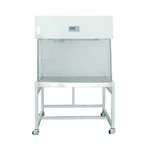
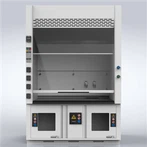
In the hall of science, chemical laboratories are undoubtedly important places for exploring the nature of matter and verifying scientific theories. As the infrastructure of this knowledge exploration space, chemical laboratory furniture not only carries the placement and operation of experimental equipment, but is also a key factor in ensuring experimental safety and improving research efficiency. This article will explore in depth the design characteristics, functional requirements and safety considerations of chemical laboratory furniture, and show its indispensable role in scientific research activities.
Design features: Adaptability and flexibility are equally important
The design of chemical laboratory furniture first considers its adaptability and flexibility. Due to the wide variety of chemical experiments and the different reaction conditions involved, the furniture needs to be able to be adjusted and optimized according to the needs of different experiments. For example, the height, width and load-bearing capacity of the laboratory table need to be customized according to the height, operating habits and weight of the experimental equipment of the experimenter to ensure operational comfort and safety. At the same time, the layout of the furniture should reserve enough space to facilitate the placement and movement of experimental equipment, as well as rapid evacuation in emergency situations.
Functional requirements: a combination of professionalism and practicality
The functional design of chemical laboratory furniture must be highly specialized to meet complex experimental needs. As the core furniture, the laboratory table needs to be corrosion-resistant and easy to clean to cope with the erosion of various chemical reagents. The tabletop materials often use high-density solid chemical boards, epoxy resin boards or ceramic boards, etc. These materials can not only effectively resist acid and alkali corrosion, but also are easy to maintain and extend the service life. In addition, the laboratory table must be equipped with a complete ventilation system, power sockets and water supply and drainage facilities to ensure smooth ventilation, safe electricity use and convenient waste liquid treatment during the experiment.
Safety considerations: multiple protections to protect scientific research safety
Safety is the top priority of chemical laboratory furniture design. First of all, the furniture materials must meet national safety standards, be non-toxic and harmless, and not release harmful gases. Secondly, the furniture structure design must consider ergonomic principles, avoid sharp corners, and reduce the risk of collision injuries. Furthermore, fire resistance is also an important part that cannot be ignored. Furniture should be made of flame-retardant materials and equipped with corresponding fire-fighting equipment to deal with sudden fires. In addition, the laboratory must also be equipped with emergency facilities such as emergency showers and eyewashes to ensure that when chemicals splash into the eyes or skin, the experimenters can be quickly and properly handled.
Conclusion
As the cornerstone of scientific research activities, the design, function and safety of chemical laboratory furniture are directly related to the success of the experiment and the safety and health of personnel. With the advancement of science and technology and the continuous upgrading of scientific research needs, chemical laboratory furniture is also constantly developing in the direction of intelligence and greenness. In the future, we look forward to seeing more innovative design applications to provide scientific researchers with a safer, more efficient and comfortable experimental environment and promote the continuous advancement of scientific research.