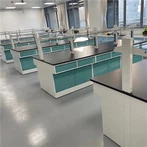
The design of school computer lab furniture needs to consider its functionality first. The workstation (or student desk) is the core part, which should be designed to be both spacious and ergonomic, so that students can comfortably place computers, books and stationery, and leave enough space for mouse operation and keyboard input. At the same time, the workstations should be laid out in a way that facilitates monitoring by the teacher and interaction among students to ensure smooth teaching and learning activities.
In addition, taking into account the height difference of students, the workstations should be equipped with adjustable heights to meet the needs of students of different ages. The chairs, on the other hand, should be ergonomically designed to provide adequate support and comfort to minimize fatigue caused by prolonged sitting.
Durability and safety
School computer lab furniture is used frequently, and the face of the lively and active student groups, so durability and safety are factors that should not be ignored when choosing. Furniture materials should be selected wear-resistant, easy to clean, environmentally friendly and non-toxic materials, such as high-quality wood, metal frames with environmentally friendly plates. At the same time, the corners of the furniture should be rounded to avoid collision injuries during the use of students.
Flexibility and Expandability
With the continuous updating and development of education technology, the configuration and needs of computer labs will also change. Therefore, flexibility and expandability should be considered when choosing furniture. For example, workstations and lockers should be designed to be easily rearranged and expanded to accommodate possible future increases in the number of computers or upgrades in teaching equipment. In addition, some movable or stackable furniture are also good choices, they can flexibly adjust their positions according to actual needs and improve space utilization.
Incorporate educational concepts to create a favorable atmosphere
In addition to meet the basic practical needs, the design of school computer lab furniture can also be integrated into the school's educational philosophy and cultural atmosphere. For example, through color matching, pattern design, etc., to create a professional and energetic learning environment to stimulate students' interest in learning and creativity. At the same time, the layout and placement of furniture can also be considered to promote communication and cooperation between students, and cultivate their teamwork ability.
Conclusion
In conclusion, the selection and design of school computer lab furniture is a comprehensive process that needs to take into account many aspects such as functionality, durability, safety, flexibility and scalability. By carefully selecting and designing furniture suitable for school computer labs, we can create an efficient, comfortable and safe learning space for students and help them move forward on the road of digital education.
Translated with DeepL.com (free version)