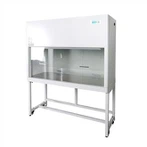
Laboratory benches are the heart of research activities and need to fulfill the basic needs of daily experiments as well as adapt to the constant growth and changes in the field of research. Over time, upgrading your lab bench becomes a necessary step to improve research efficiency, ensure safety, and introduce new technologies. This guide will help you understand how to assess the condition of your existing bench and make informed upgrade decisions.
Assessing the Current Condition
First, conduct a thorough assessment of your existing workbench. Examine the workbench's structural integrity, surface durability, storage space, and access to any special features. Identify any issues that could lead to safety risks, such as unstable construction, outdated materials, or insufficient storage capacity.
Determine Needs
Determine the current and future research needs of the lab. Is additional workspace needed? Is there a need for an improved ventilation system? Or is there a need to integrate new technology, such as automated equipment or electronic data management systems? Defining these needs will guide you to an effective upgrade.
Budget Planning
It is vital to have a detailed budget plan in place before you begin your upgrade. Consider the cost of the upgrade, including materials, accessories, possible installation costs, and maintenance costs. Also, evaluate the relationship between the budget and the expected return to ensure that the investment will deliver real benefits.
Choosing materials and technology
Choosing the right materials and the latest technology is key to upgrading your workbench. Consider durable and easy-to-clean materials such as stainless steel or composites. Also, integrate smart technology, such as adjustable LED lighting, USB charging ports, and data connectivity ports, to increase productivity.
Ergonomic improvements
When upgrading your workbench, don't forget the importance of ergonomics. A well-designed workbench should be able to minimize the physical burden on the user and avoid fatigue and injuries caused by prolonged work. Consider introducing height-adjustable workstations, anti-fatigue floor mats, and seats that conform to human curves.
Safety features
Safety should always be a priority when upgrading a workbench. Ensure that the workbench has appropriate safety features such as emergency flushing equipment, non-slip worktops and adequate fire protection. In addition, if the lab handles hazardous chemicals or biological samples, make sure the bench is designed to meet the appropriate safety standards.
Sustainability considerations
During the upgrade process, consider the sustainability of the workbench. Choosing environmentally friendly materials, such as reclaimed wood or recyclable metals, and energy-efficient electrical fittings not only helps to protect the environment, but may also reduce long-term operating costs.
Professional Advice
Before making a major upgrade, it is helpful to consult a professional. A professional laboratory designer or supplier can provide valuable advice to ensure that your upgrade plan is both practical and in line with industry best practices.
By following this upgrade guide, you can ensure that your new lab bench will meet both current research needs and future trends. A modern, functional workbench will be a key investment in improving productivity and safety in your lab. #lab upgrade #workbench remodeling #research efficiency