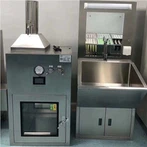
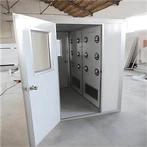
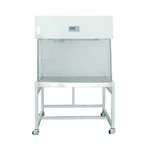
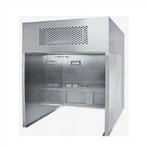
In chemistry, biology, physics and other laboratories, various harmful gases, vapors, particles and other pollutants are often produced during experiments. These contaminants not only affect the accuracy of experimental results, but may also pose a threat to the health of experimenters. Therefore, as an important experimental equipment, the laboratory fume hood cannot be ignored.
The main purpose of the laboratory fume hood is to provide a safe and clean experimental environment. It uses an efficient exhaust system to quickly discharge harmful gases, steam, particles and other pollutants generated during the experiment, thereby keeping the experimental environment clean and stable. At the same time, the fume hood can also effectively prevent these pollutants from spreading to other areas of the laboratory and avoid contamination and damage to experimental personnel and other equipment.
Specifically, the uses of laboratory fume hoods are reflected in the following aspects:
Protect the health of experimenters: Fume hoods can effectively discharge harmful substances produced during experiments and prevent experimenters from direct contact with these harmful substances, thereby protecting their health.
Ensure experimental accuracy: The presence of harmful substances may affect the accuracy of experimental results. The exhaust function of the fume hood can ensure the cleanliness and stability of the experimental environment, thus improving the accuracy and reliability of experimental results.
Maintain the safety of experimental equipment: Many equipment in the laboratory have strict requirements for the use environment. Fume hoods can maintain the stability of the experimental environment and prevent harmful substances from causing corrosion and damage to the equipment, thus extending the service life of the equipment.
Comply with regulatory requirements: Laws and regulations in many countries and regions stipulate that appropriate safety measures must be taken when handling hazardous substances. Laboratory fume hoods serve as an effective safety measure to meet the requirements of these regulations.