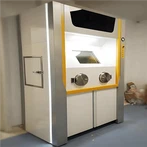
Progress in scientific research is often accompanied by more and more complex and delicate experiments, and a good laboratory environment is the cornerstone of high-quality research results. Laboratory ventilation systems play a crucial role in this, ensuring air quality in the laboratory and protecting the health and safety of staff.
1. Importance of the ventilation system
Harmful gases, bad odors or disease-causing microorganisms may be generated in the laboratory during the process of chemical synthesis, biological culture and other experiments. An effective ventilation system can remove these harmful substances in time, prevent them from gathering in the laboratory and reduce the potential harm to the environment and personnel.
2. Composition of the ventilation system
A complete laboratory ventilation system includes an air intake system, an exhaust system and an air purification device. The air intake system is responsible for introducing fresh and clean air, while the exhaust system exhausts polluted air outside. Air purification devices such as activated carbon filters or HEPA filters are used to remove harmful particles or chemicals from the air. In addition, fume hoods and air showers are important components of the ventilation system that provide efficient and safe exhaust ventilation in a localized area.
3. Design and implementation requirements
The design of a laboratory ventilation system needs to take into account the specific needs of the laboratory, including the type of laboratory, the nature of the experimental program, space layout and other factors. Reasonable design should ensure that the ventilation is sufficient and the airflow is evenly distributed. When implemented, it needs to follow the appropriate building codes and safety standards to ensure the stable and reliable operation of the system.
4. Maintenance and monitoring
Regular maintenance and monitoring is essential to maintain optimum performance of the ventilation system. This includes checking the sealing of the system, replacement of filtration devices, the operational status of fans, and the functionality of the control system. It is also necessary to monitor the air quality within the laboratory to assess the effectiveness of the ventilation and to make timely adjustments to the system settings.
Translated with DeepL.com (free version)