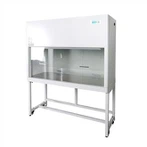
In the field of modern scientific research, many experiments are required to be conducted in a dust-free, sterile and clean environment to ensure the accuracy and reliability of experimental results. Laboratory clean system engineering was born to meet this stringent requirement. It involves a series of complex design, construction and management processes aimed at creating a working environment that meets a specific cleanliness level.
1. Necessity of clean system
Laboratory cleanliness systems are critical to controlling contamination within the laboratory. Whether it is particle contamination or microbial contamination, it may interfere with sensitive experiments, leading to data deviation or experimental failure. For example, in fields such as semiconductor manufacturing, biomedicine, and chemical analysis, even trace amounts of contaminants can cause major quality issues.
2. Composition of clean system
A complete clean system includes air purification devices, constant temperature and humidity control systems, air showers, fast rolling shutters, dust-free materials and equipment, etc. Air purification devices such as HEPA or ULPA filters can filter out tiny particles in the air. The constant temperature and humidity control system maintains the temperature and humidity in the laboratory within a constant range. The air shower room is used for preliminary decontamination before personnel enter.
3. Key points of design and implementation
The design of the clean system must take into account the specific uses and operating procedures of the laboratory to ensure reasonable separation between clean areas and non-clean areas. In addition, the selection of building materials, piping layout, and configuration of automated control systems all require careful planning. During the construction process, strict quality control standards must be followed to ensure that all components are installed correctly and the system operates stably.
4. Maintenance and monitoring
Keeping clean systems operating efficiently requires regular maintenance and real-time monitoring. This includes regularly changing filters, inspecting and repairing any points that may cause leaks, monitoring particle counts and microbial levels in clean rooms, and more. Through continuous performance monitoring and maintenance, problems can be discovered and resolved promptly, and potential contamination risks can be avoided.