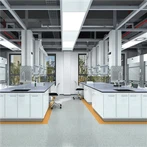
In the field of research, laboratory space is often limited, especially in urban centers or higher education institutions. For small laboratories, effective space optimization is crucial. The design and layout of the workbench, one of the most essential facilities in a laboratory, directly affects the functionality and efficiency of the laboratory. In this article, we will explore workbench solutions for small labs to help researchers maximize the use of limited space.
Versatile Design
In a small laboratory, every inch of space is extremely valuable. Therefore, it is important to select or design a multifunctional bench that can perform multiple functions. For example, benches with built-in power outlets, data ports, and sinks can accommodate power, connected equipment, and utensil washing all at the same time, reducing the need for additional space.
Vertical Space Utilization
Utilizing vertical space is an effective way to optimize small labs. Wall or cabinet benches can utilize otherwise underutilized wall space to provide additional platforms for lab operations. In addition, wall hooks and shelves can be used to store frequently used tools and materials, keeping the benchtop tidy.
Modular Components
Modular workbenches allow laboratories the flexibility to adjust and reorganize work areas as needed. By adding or removing modules, it is easy to expand the work area or create specific workstations to accommodate different lab projects.
Folding and Movable Design
Folding or removable workstations can be easily stowed away when not in use to make room for other activities. These types of workstations are especially suited for smaller labs that require frequent changes in experimental layouts.
Customized Storage Solutions
To maximize storage efficiency, consider a custom storage solution. Specialized drawers, dividers, and cabinets are designed according to the specific needs of the lab and the dimensions of the workbench to ensure that all items have their own dedicated storage location.
Integrated management systems
Integrated data and inventory management systems can help small labs manage limited space more efficiently. Tracking inventory and lab progress electronically reduces the need for physical storage space and ensures optimal utilization of resources.
Smart Lighting and Visual Clarity
Good lighting is especially important for small labs because it improves visual clarity and productivity. Workbenches with LEDs and adjustable lighting can provide the necessary illumination for experiments while saving energy.
In summary, the challenge for small labs is to achieve efficient workflows in limited space. By adopting multifunctional designs, utilizing vertical space, choosing modular components, using folding and removable designs, customizing storage solutions, integrating management systems, and smart lighting, small labs can significantly improve space utilization and work efficiency. These solutions not only help to create a more spacious and organized work environment, but also inspire the innovative potential of researchers. #small lab #space optimization #multifunctional workstations