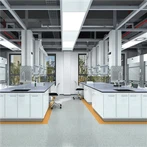
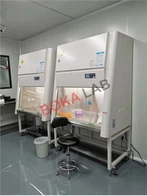
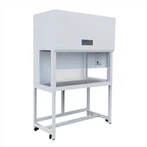
With the increasing global awareness of environmental protection, the design and manufacture of laboratory workbenches have begun to increasingly use environmentally friendly materials. These materials not only help to minimize the negative impact on the environment, but also meet the needs of researchers for durability and functionality. This article looks at the use of eco-friendly materials in laboratory bench manufacturing and the benefits they bring.
Sustainable Material Choices
Eco-friendly material choices include recycled or reclaimed materials such as bamboo, recycled plastics and metals, as well as coatings and adhesives with low volatile organic compound (VOC) emissions. These materials reduce reliance on natural resources and lower the carbon footprint during the manufacturing process.
Bamboo Workbench
Bamboo is a fast-growing plant that is highly sustainable. Bamboo workbenches are not only strong and durable, but also have good antimicrobial properties, making them suitable for use in laboratories that require a clean environment. In addition, the natural texture of bamboo adds a touch of warmth to the lab.
Recycled Plastics and Metals
Recycled plastics and metals are materials recovered from waste products that are reprocessed for use in the manufacture of new lab benches. This practice not only reduces landfill waste, but also saves raw materials. For example, benches made from recycled steel or aluminum are both environmentally friendly and durable.
Low VOC Coatings and Adhesives
The use of low VOC coatings and adhesives in the manufacture of lab benches reduces the release of harmful gases and protects the quality of the air in the lab, thus providing a healthier working environment for researchers.
Modular Design
The modular design of lab benches allows for the replacement of only some of the components, rather than the entire bench, when replacement or upgrades are needed. This design reduces material waste and extends the overall life of the bench.
Green Manufacturing Processes
In addition to using eco-friendly materials, manufacturers should also adopt energy-efficient production processes, such as using renewable energy sources such as solar or wind to power production lines, to further minimize the environmental impact of the production process.
To summarize, the use of eco-friendly materials in the manufacture of lab benches is a revolution in traditional manufacturing. It not only reflects the social responsibility of enterprises, but also meets the market demand for environmentally friendly products. With the advancement of technology and consumer awareness, it is expected that eco-friendly materials will play an even more important role in the design and manufacture of lab benches in the future. #Environmentally friendly materials #Laboratory workbenches #Sustainability