In the realm of education, fostering a love for science and nurturing inquisitive minds is paramount. Science laboratories play a pivotal role in this endeavor, providing students with hands-on experiences that bridge the gap between theoretical knowledge and practical understanding. To maximize the effectiveness of these learning spaces, investing in appropriate science lab furniture for schools is essential.
Science lab furniture is designed with the unique needs of scientific inquiry in mind. It not only ensures safety but also promotes collaboration, organization, and ease of experimentation. From sturdy lab tables to well-ventilated storage cabinets, every piece of furniture contributes to creating an environment conducive to exploration and discovery.
Sturdy Lab Tables: The cornerstone of any science lab is the lab table. These tables are engineered to withstand the rigors of daily use, including the placement of heavy equipment, chemicals, and specimens. Adjustable heights cater to students of different ages and physical abilities, ensuring everyone can work comfortably. Moreover, their durable surfaces, often made of chemical-resistant materials, protect against spills and stains, maintaining a clean and safe workspace.
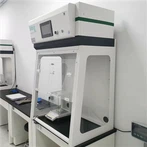
Storage Solutions: Efficient storage is vital in a science lab, where space is often limited and organization is key. Custom-designed cabinets, shelves, and drawers offer ample storage for lab equipment, chemicals, and supplies. These storage solutions often feature ventilation systems to minimize the risk of fire or explosion caused by flammable materials. Lockable cabinets further enhance security, ensuring that hazardous materials are kept out of unauthorized hands.
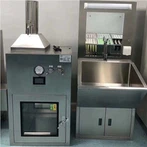
Sinks and Eyewash Stations: Safety is always a top priority in science labs. Well-placed sinks and eyewash stations are essential for immediate cleanup of spills and accidents. These fixtures are designed to withstand the rigors of frequent use and are typically made of corrosion-resistant materials. They are strategically located within easy reach, ensuring that students and teachers can quickly respond to emergencies.
Collaboration Spaces: Modern science labs increasingly emphasize collaborative learning. Flexible furniture arrangements, such as moveable tables and chairs, facilitate group work and discussions. Whiteboards, projection screens, and other interactive teaching tools encourage students to share ideas and work together towards common goals.
Eco-Friendliness: As sustainability becomes a global concern, many schools are opting for eco-friendly science lab furniture. Materials like recycled wood, bamboo, and low-VOC (Volatile Organic Compound) finishes reduce the environmental impact of these spaces. Energy-efficient lighting and ventilation systems further contribute to creating green laboratories.
In conclusion, investing in science lab furniture for schools is a strategic move that pays dividends in terms of student engagement, safety, and educational outcomes. By providing students with a well-equipped and well-designed learning environment, schools can nurture a generation of curious and capable scientists, ready to tackle the challenges of tomorrow.