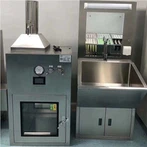
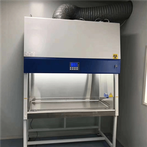
Laboratory workbench is an important facility for researchers' daily work, and its design is directly related to the user's comfort and work efficiency. Ergonomics, as a science that studies the interaction between human beings and the working environment, provides important guiding principles for the design of laboratory workbenches. This article will discuss the application of ergonomics in the design of laboratory workstations and the benefits it brings.
Adapting workbenches to different heights
Ergonomics emphasizes that the height of a workbench should be able to be adjusted to accommodate the height of different users. A height-adjustable workbench ensures that the user maintains a natural posture while standing or sitting at work, reducing stress on the back and neck.
Reasonable work surface width
The width of the work surface should be designed according to the needs of the task. A spacious work surface allows the user enough room to perform experimental operations without overextending their arms or congested working conditions, thus increasing productivity and safety.
Consider the layout of the workflow
The layout of the workbench should consider the workflow of the laboratory. Commonly used equipment and materials should be placed in easily accessible locations to minimize unnecessary movement and time wastage. In addition, the design of the workbench should allow for flexible space configurations to accommodate different experimental needs.
Application of anti-fatigue floor mats
Researchers who work long hours on their feet can benefit from anti-fatigue floor mats. These mats reduce leg and foot fatigue and provide a more comfortable standing experience.
Easy-to-use drawers and cabinets
Workstation storage solutions should be easy to use. Drawers and cabinets should be equipped with smooth sliding mechanisms and sensible handles designed to allow users to open and close them easily, while ensuring safe storage of tools and materials.
Integrated power and data interfaces
To improve the functionality and convenience of the workbench, power outlets and data interfaces should be integrated into the design of the workbench. This avoids cluttered cords and ensures easy charging and use of electronic devices.
Ergonomic seating design
If the workbench is used for tasks that require prolonged sitting, it is important to provide a seat that conforms to the body's curves. Such a seat supports the body's natural posture and reduces the physical discomfort associated with prolonged sitting.
Adjustable Lighting System
Good lighting is essential for laboratory work. Adjustable lighting systems allow the brightness and angle to be adjusted according to the user's needs and the specificity of the experiment, protecting eyesight and improving work accuracy.
In summary, the use of ergonomics in laboratory bench design helps to create a more humane, efficient and safe working environment. By taking into account the user's body size, work habits and specific needs, designers can create workbenches that are both aesthetically pleasing and functional, thereby increasing the job satisfaction and productivity of researchers. #Ergonomics #Laboratory workbenches #Design applications