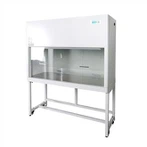
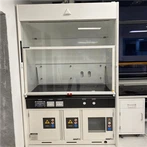
In earthquake-prone areas, laboratory safety should not only consider protection against chemical and biological hazards, but also focus on how to mitigate the potential risks posed by natural disasters. The design and application of earthquake-resistant workbenches is one of the key measures to improve laboratory safety. These benches are able to maintain stability in the event of an earthquake through special structures and materials, protecting sensitive experimental equipment and hazardous chemicals from damage, thus safeguarding the safety of researchers. In this article, we will discuss how to enhance the overall safety performance of laboratories through earthquake-resistant workbenches.
Structural Stability
At the heart of an earthquake-resistant bench is its superior structural stability. They are typically made of rugged materials, such as steel or cast iron, and feature reinforced structural frames. These frames are carefully designed to keep the table level during seismic shaking, preventing instrument collapse and chemical spills.
Flexible Connections
To further increase seismic resistance, seismic benches may utilize flexible connection technology. This means that instead of being rigidly connected to each other, the components of the bench have a degree of mobility that can absorb and disperse vibration energy when the ground shakes.
Anti-vibration components
The use of special anti-vibration elements, such as springs, shock absorbers or dampers, can provide additional flexibility without loss of stability. These elements can reduce the response of the workbench to vibrations during an earthquake, reducing the risk of equipment damage.
Intelligent Monitoring System
An integrated intelligent monitoring system detects seismic activity in real time and adjusts the position and stability of the table through a rapid response mechanism. This system is more costly but provides a higher level of safety.
Easy-to-operate locking mechanism
In an emergency, a mechanism that can quickly lock the workbench is critical. This design ensures that even during an earthquake, important samples and equipment can be quickly and safely secured.
Modularity and Flexible Layout
The modular bench design allows for quick reconfiguration of the laboratory layout after an earthquake. If part of the bench is damaged, it can be easily replaced or rearranged to minimize the impact of an earthquake on research.
Routine Inspection and Maintenance
Regular inspection and maintenance is essential to ensure that the earthquake-resistant workbench is maximized when needed. This includes checking that all connections, anti-seismic elements and locking mechanisms are in good condition and replacing or repairing them as necessary.
To summarize, earthquake-resistant benches are an important part of laboratory safety planning, especially in earthquake-prone areas. By implementing the above measures, the resilience of laboratories in the face of natural disasters can be significantly improved, protecting researchers and experimental facilities from damage. Investing in earthquake-resistant workbenches and other safety measures is an important protection for personnel and research assets. #seismic benching #laboratory safety #earthquake protection