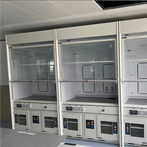
In a laboratory environment, good lighting is a key factor in conducting accurate experiments and ensuring safety. Proper lighting not only affects the visual comfort of researchers, but also directly relates to the accuracy of experimental results and work efficiency. Therefore, designing a bench lighting system with high visibility is crucial for any laboratory. In this article, we will explore how to enhance the lab bench experience by optimizing lighting.
Combination of natural and artificial light
Natural light is the ideal source of illumination, providing balanced light and reducing eyestrain. However, due to the unique nature of laboratories, natural light is often insufficient to meet all needs. Therefore, a combination of artificial lighting systems is necessary. Well-designed artificial lighting should mimic the properties of natural light, providing consistent and glare-free illumination.
Task Lighting
Lab benches require specific task lighting to provide sufficient light when performing delicate operations. For example, in microscopy operations or sample processing areas, the use of a centralized light source ensures that enough light is focused on the work area to improve the accuracy and efficiency of operations.
Adjustable Lighting
Different experiments may require different intensities and types of lighting. Adjustable lighting systems allow the user to adjust the brightness and color temperature to the specific needs of the experiment. Additionally, adjustable fixtures can be adapted to the height and work habits of lab personnel to ensure optimal visibility and comfort.
LED technology
Modern LED lighting technology offers efficient, energy-saving and long-lasting lighting solutions. LED lamps can produce light in different color temperatures, from warm yellow light to daylight-like white light, and they often come with the benefits of high energy efficiency and low heat generation. In addition, the compact size of LED lamps makes them easy to integrate into the design of laboratory workstations.
Anti-glare design
Glare is a common problem in laboratory lighting, as it interferes with vision and can lead to eye fatigue and even injury. Luminaires and diffusers with anti-glare design can reduce glare and provide a more comfortable working environment.
Emergency Lighting
Emergency lighting systems ensure the safe evacuation of laboratory personnel in the event of a power failure or other emergency. These systems are typically battery-powered and can be activated automatically when conventional lighting fails.
Maintenance and Cleaning
Regular maintenance and cleaning is essential to maintain optimum performance of your lighting system. Accumulated dust and dirt can reduce the effectiveness of the lighting, increase energy consumption and shorten the life of the fixtures.
To summarize, lighting plays a vital role in the laboratory bench. By carefully designing a lighting system, not only can you improve the visibility and accuracy of your experiments, but you can also create a safer and more comfortable working environment for your lab personnel. Investing in a quality lighting solution is a long-term investment in laboratory efficiency and safety. #Importance of Lighting #Laboratory Workbenches #Visibility