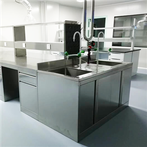
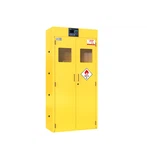
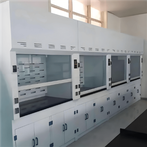
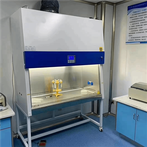
The stem cell laboratory is mainly engaged in stem cell basic research, clinical application research and stem cell technology services, including experimental research on in vitro identification, isolation, purification, expansion and culture of stem cells from various tissue cells. The whole laboratory usually includes different levels of cleanliness areas and non-clean security facilities rooms. At the beginning of the stem cell laboratory design, it is necessary to fully understand the user's planned use and the planar structure of the building where the project is located.
Generally speaking, the stem cell laboratory includes the following basic functional areas: stem cell bank (100,000-level cleanliness), spare parts storehouse, changing room, laundry room, water making room, power distribution (no cleanliness requirement) and other logistics support facilities Room.
Experimental stem cell production workshop (10,000-level cleanliness), including cell culture room, quality control room, sterilization room, scrubbing room, liquid nitrogen storage, cleaning room, liquid preparation room, inner corridor and other purification areas. The quality control indoor corridor can be designed with a cleanliness level of 100,000; in addition, purification areas such as the depackaging room, cell sending room, spare parts washing room, raw material testing room, CO2 cylinder room, outer experimental area, and outer ring corridor can be The design cleanliness level is 300,000.
Some stem cell laboratory users need a workshop for research and development of biopharmaceuticals. According to clean standards, it is convenient to control the cleanliness and pressure difference. The R&D experimental area, corridors in the experimental area, corridors in the reserved area, and the first shift room can be designed with a cleanliness of 300,000 The peripheral area of the level; the purification area such as the corridor in the pilot workshop, the second shift room, etc., which is designed as a cleanliness level of 100,000; the cell culture room, purification room, fermentation room, filling room, sterile equipment room, backup laboratory and other purification areas, the cleanliness level is 10,000.
The indoor temperature and humidity design of the stem cell laboratory can be designed as a 10,000-level purification area if there is no special requirement. The indoor design temperature is 20~24°C and the relative humidity is 45%~60%; 100,000-level and 300,000-level purification Zone, the indoor design temperature is 18~26℃, and the relative humidity is 45%~65%.
The main function of the clean air-conditioning system in the stem cell laboratory is to ensure the air quality of the experimental environment inside the clean room of each function, but there are no special requirements for preventing cross-infection, fire and explosion protection, etc., so it is not necessary to strictly distinguish rooms with different cleanliness levels and different functions Corresponds to an independent air conditioning system. If the functions of the internal rooms of the project are complex and various, and the distribution of rooms with different cleanliness levels is relatively scattered, the relative position of the rooms and the convenience of air supply pipeline layout and installation are mainly considered when the project is divided into air-conditioning systems.
The pressure difference control of the stem cell laboratory, the clean area and the surrounding space must maintain a certain pressure difference. The pressure difference should not be lower than 10Pa, and GB 50457-2008 "Code for Design of Clean Workshops in the Pharmaceutical Industry" stipulates that the air static pressure difference between medical clean areas of different air cleanliness levels and between medical clean areas and non-clean areas is not the same. It should be less than 5Pa. Most of the existing stem cell laboratories are designed and constructed according to GMP requirements. Therefore, the pressure difference control of stem cell laboratories can refer to the requirements for pressure difference in GMP standards.
The fresh air volume of the stem cell laboratory, according to the national standard, the fresh air volume in the medical clean room should take the following maximum values:
1) Compensate the sum of indoor exhaust air volume and fresh air volume required to maintain indoor positive pressure;
2) The fresh air volume per person indoors should not be less than 40m3/h.
For the air supply volume of the stem cell laboratory, the air supply volume is first calculated according to the number of air changes. The number of air changes in the 10,000-level purification area is 25h-1, the air exchange rate in the 100,000-level purification area is 15h-1, and the air exchange rate in the 300,000-level purification area The number of air changes is taken as 10h-1, so the air supply volume is determined according to the number of air changes.
The determination of the air-conditioning unit in the clean room, the selection of the airflow organization, adopts a non-unidirectional flow pattern, and the air supply and return air is sent to the side and returned to the bottom. The design and selection of the air conditioning unit should meet the following requirements for the special requirements of the stem cell laboratory:
1) The inner surface and built-in parts of the purified air-conditioning unit should use materials or surfaces that are resistant to corrosion by disinfectants, and the surface of the material should be smooth.
2) The internal structure should be easy to clean, and the cleaning waste water can be discharged smoothly, and it is not easy to accumulate dust and breed bacteria.
3) The condensed water outlet of the surface cooler should have an automatic anti-suckback function, and can discharge condensed water smoothly under negative pressure, and the condensed water pipe cannot be directly connected to the sewer pipe.
4) Differential pressure gauges should be installed before and after the air filters at all levels in the unit, and the measuring connection should be unobstructed and installed tightly.
5) Spray type air handlers should not be used.